
Customer Story
Higher Ed

How Daystar University Built a Global Virtual Classroom With Class & Moodle

Daystar University leverages Class’s integration with Moodle to deliver a secure, engaging, and fully connected live virtual learning experience to students across the globe.

DAYSTAR UNIVERSITY AT-A-GLANCE

2,000

online & hybrid students

44

nationalities represented

80+

academic programs

Contents

The ChallengeMeeting tools weren’t built for learning

When COVID-19 forced institutions across Kenya to close in March 2020, Daystar University transitioned rapidly to online delivery. The faculty relied on tools such as Google Meet, Microsoft Teams, and other video conferencing platforms to keep courses running. While functional, these platforms were not designed as true learning environments.

“We were using tools like Google Meet, Teams, Zoom, among others,” explains Dr. Martin Munyao, Deputy Director of Open Distance and Electronic Learning (ODeL). “But those are meeting applications. They are not virtual learning environments.”

As the university formalized its ODeL Center and expanded online and hybrid programs—now serving approximately 2,000 students—the limitations became clearer. Engagement tracking was difficult. Attendance taking was manual. Exams lacked strong oversight. And virtual sessions operated separately from Moodle, their existing learning management system, requiring faculty to manage multiple systems at once.

“There was no true integration with our LMS. Faculty had to schedule meetings separately, send links manually, and manage attendance and records in multiple places. It was functional, but it wasn’t educational technology built for education,” recalls Martin.

“[Before Class,] Faculty members would complain during staff meetings that they didn't have control of class engagement. They didn't think that they had the attention of the students because students would attend classes while cooking, bathing babies, driving, commuting, having dinner with family.”

Dr. Martin Munyao, Deputy Director, ODeL, Daystar University

The SolutionA fully integrated virtual classroom inside Moodle

Daystar discovered Class at an education technology conference and piloted it for six months before full adoption. What stood out immediately was that Class functioned as a purpose-built virtual classroom rather than a standard video meeting tool.
“What immediately stood out to me was that Class was not just another meeting app. It was a virtual learning environment,” explains Martin.

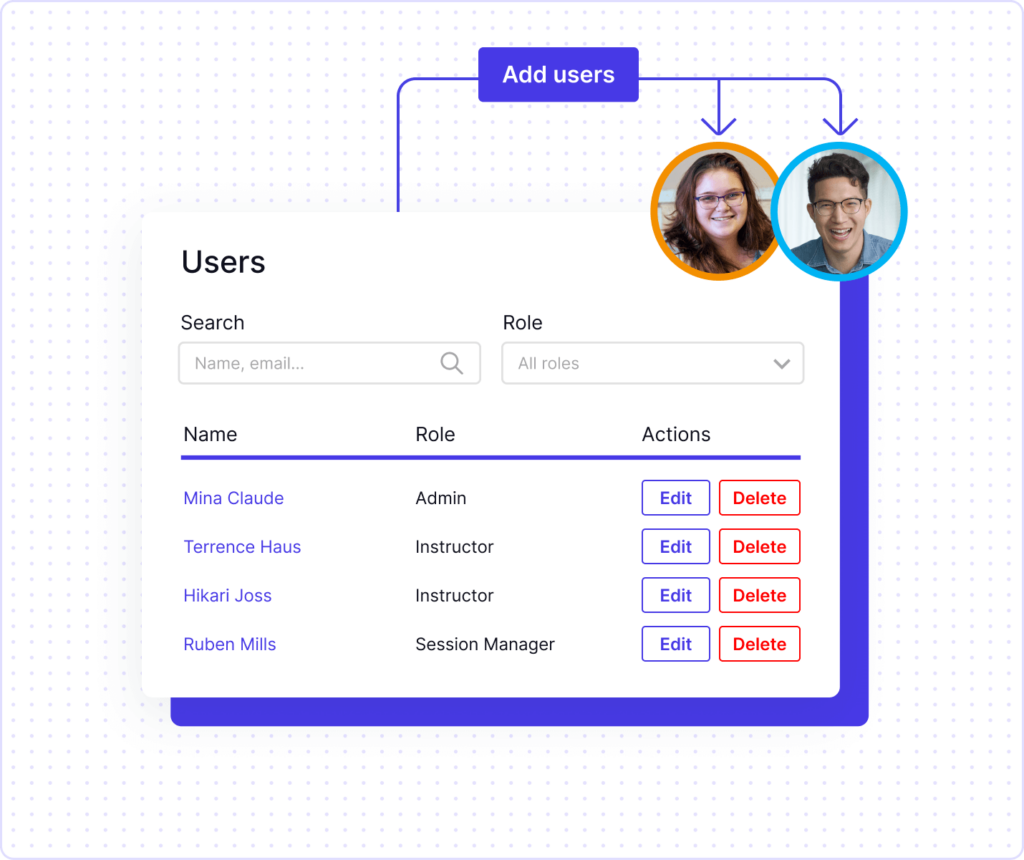
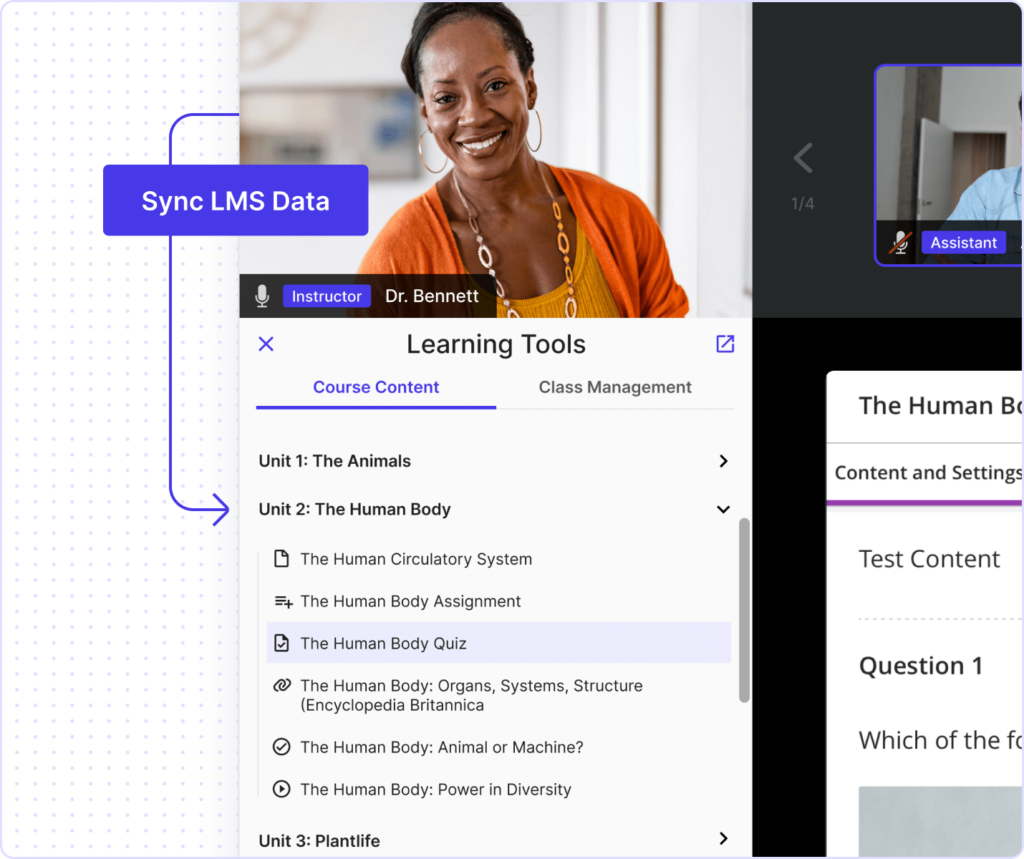
The integration with Moodle became the deciding factor. Class allowed Daystar to embed the virtual classroom directly into its LMS—centralizing scheduling, access, attendance, analytics, and course materials within one ecosystem.

“We needed something that would live inside Moodle, not outside of it,” says Martin.

LMS-integrated scheduling & access

“The integration of Class into Moodle has been extremely important for us. Faculty schedule sessions directly within Moodle, and students access Class through their Moodle accounts. There is no need to send links. Everything is tied directly to the course, and only enrolled students can join,” shares Martin.

“Within Class, we can activate Moodle resources without leaving the virtual classroom. The entire Moodle course page can appear within the session. Any activity or material can be brought into the learning environment with a click of a button. That has been a major advantage,” explains Martin.

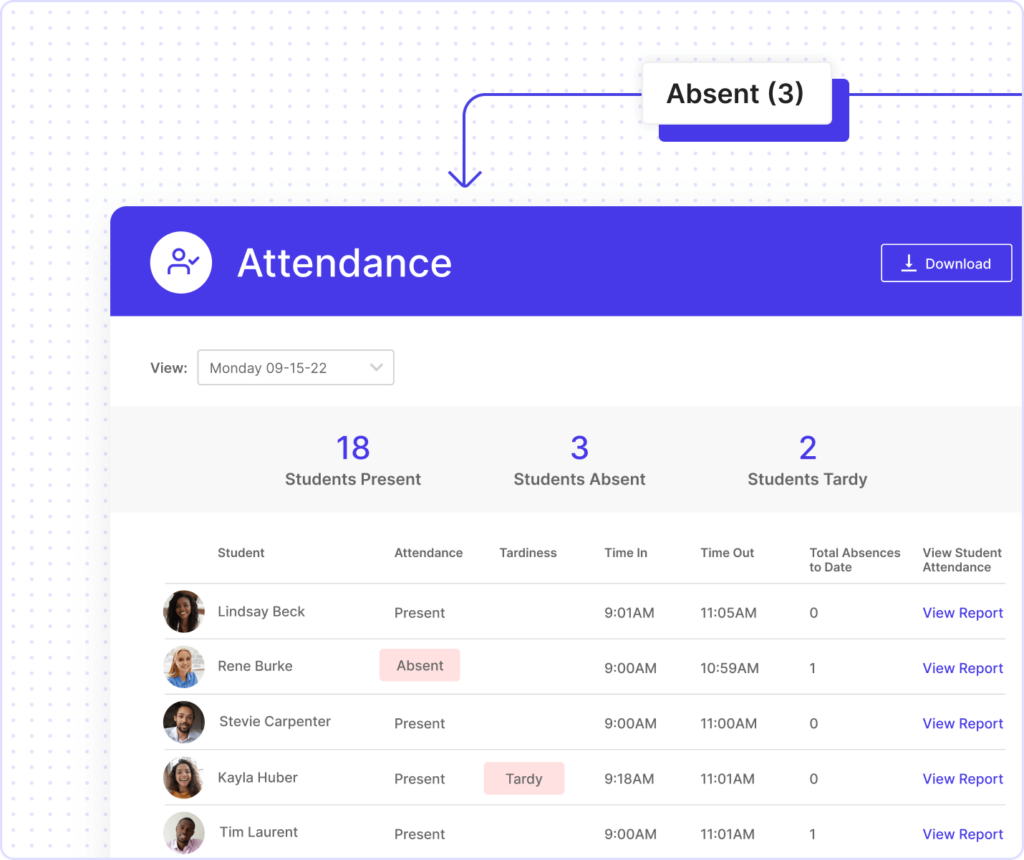
“In the past, faculty manually called out names for attendance. With Class, attendance is recorded automatically. We can see when students enter, leave early, or return. There is even data analytics and synchronization available so faculty don’t have to look for records in various places,” says Martin.

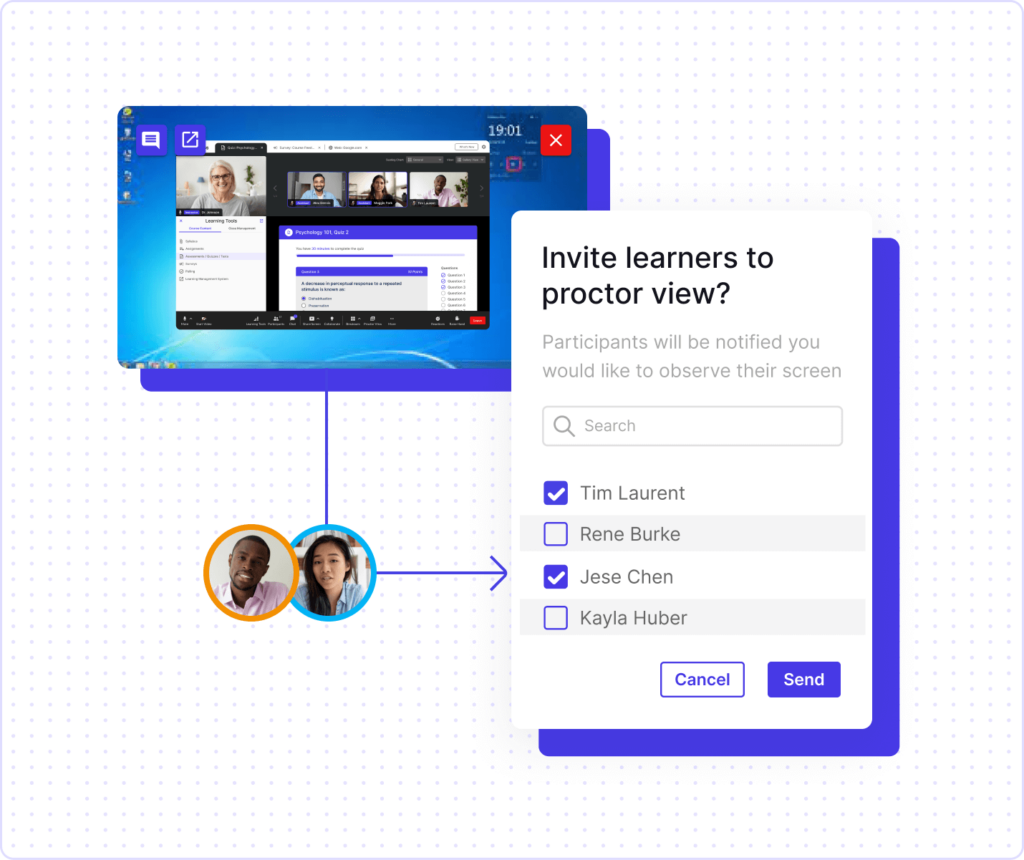
“Exam credibility was a major concern for us. With Class, we can split the screen and view both the student and their working screen at the same time. That capability has significantly strengthened exam integrity and increased our confidence in online assessments,” notes Martin.

The ResultScalable, secure, globally accessible education

Since implementing the Class and Moodle integration, Daystar has expanded its online and hybrid offerings while maintaining structure and academic oversight. Enrollment in online programs has continued to grow even after the pandemic, particularly at the graduate and postgraduate levels.

“We expected the numbers to go down after COVID, but enrollment has continued to increase. That has surprised us,” celebrates Martin.

The integration has allowed Daystar to scale internationally while maintaining consistency. Students from 44 nationalities now participate in programs from regions including the Middle East, Australia, the United States, Europe, and across Africa. Faculty manage their courses within one connected system, and students access learning through a single secure entry point.

“Everything is connected. Students access learning through one system. Faculty manage their classes in one place. That integration has made our online education professional, structured, and scalable,” concludes Martin. “Class is worth trying and worth investing in because this is not a meeting app; this is a virtual learning environment that is going to boost the experience of your teaching and learning in a way that you’ve never seen before, so I highly recommend it to any institution of higher learning.”

“All this is made available because of the resources that we have within our various online learning platforms, Class being one of them.”
Dr. Martin Munyao, Deputy Director, ODeL, Daystar University
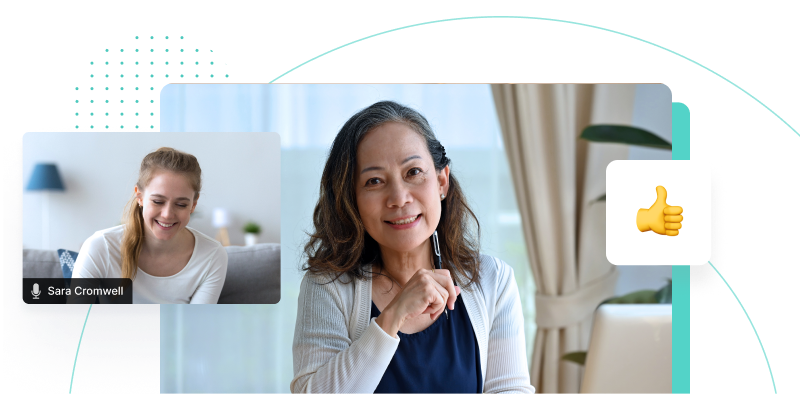
With Class, Daystar University:

Centralizes the virtual learning experience

“Students access Class directly through Moodle. There are no separate links, no confusion, and no intrusion. It keeps everything tied to the course,” says Martin.

Improves student engagement

“Faculty can tell they are truly with their class. Engagement indicators and interactive tools have transformed participation,” boasts Martin.

Streamlines faculty workflows

“Scheduling, attendance, records, and resources are synchronized. Faculty no longer manage multiple systems,” celebrates Martin.

Ready to see what Class can do for your organization?

You may also like